In the world of vehicle protection and customization, car owners and businesses are always looking for the best ways to preserve the appearance of their vehicles. Paint protection films (PPF) and TPU car wraps have both become popular choices for protecting vehicle paint, but which one is truly the best option? The decision between TPU and PPF often depends on the specific needs of the vehicle and the expectations of the customer. As a trusted supplier in the automotive wrap industry, it’s essential for B2B customers—importers, brand owners, and car wrap shops—to understand the differences, benefits, and applications of each material.
In this article, we will compare TPU and PPF based on durability, protection features, cost, installation, and maintenance to help you choose the best paint protection solution for your customers’ vehicles.
What Are TPU and PPF?
Before diving into the comparison, it’s important to understand what TPU (Thermoplastic Polyurethane) and PPF (Paint Protection Film) are and how they function.
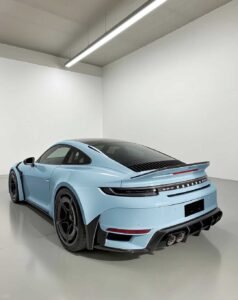
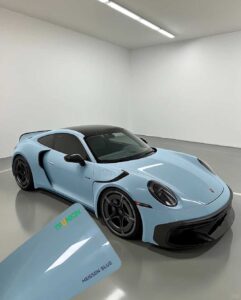
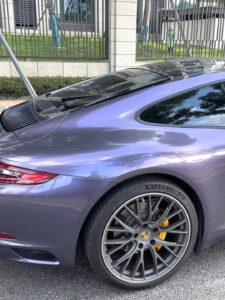
TPU car wraps are a flexible, high-performance thermoplastic material used to protect a vehicle’s surface. TPU is known for its scratch-resistant properties, self-healing capabilities, and UV protection. It’s commonly used for both car wraps and paint protection purposes. As a wrap, it offers a durable and customizable finish for vehicle surfaces, providing protection against everyday wear and tear.
PPF, on the other hand, is a transparent, durable film designed specifically for protecting car paint. Made of urethane-based polymers, PPF is often applied to a vehicle’s high-impact areas to protect against rock chips, scratches, and abrasions. It’s also self-healing, which means it can recover from minor scratches when exposed to heat, maintaining a flawless finish over time.
TPU vs. PPF: Key Differences and Benefits
1. Durability and Scratch Resistance
When it comes to durability, both TPU wraps and PPF offer superior protection against scratches, UV damage, and other environmental factors. However, there are key differences:
- TPU: As a more flexible material, TPU car wraps can withstand abrasions and minor impacts. They are scratch-resistant and provide a long-lasting protective layer against road debris and environmental pollutants.
- PPF: PPF is specifically designed for high-impact protection, making it ideal for areas like bumpers, hoods, and side mirrors that are prone to rock chips and abrasions. While PPF is also scratch-resistant, it is less flexible than TPU, making it more prone to visible damage in certain conditions (e.g., when exposed to intense heat or during improper installation).
- For importers and wrap shops, TPU offers more flexibility and versatility in applications, while PPF is more focused on high-impact areas that require maximum protection.
2. Self-Healing Capabilities
Both TPU wraps and PPF offer self-healing properties, which make them ideal for vehicle protection. This means that the materials can recover from minor scratches and swirl marks.
- TPU: The self-healing properties of TPU are activated by heat. If the surface gets scratched, the material heals itself when exposed to heat from sunlight or warm water.
- PPF: PPF also features self-healing capabilities that work in a similar way. However, the healing process for PPF tends to be more noticeable on light scratches or marks rather than deep cuts or abrasions.
- Both materials provide excellent protection for vehicle surfaces. However, for businesses looking to offer the best self-healing solution to customers, TPU might be a more versatile and effective choice for long-term vehicle care.
3. UV Protection and Color Retention
Protection from UV rays is a critical consideration for any car wrap or paint protection solution. UV radiation can cause paint to fade, which impacts both the vehicle’s aesthetic appeal and its resale value.
- TPU: TPU car wraps provide excellent UV protection, preventing color fading and maintaining the vehicle’s finish over time. This makes TPU wraps ideal for regions with intense sunlight, such as Southern Europe or California.
- PPF: PPF also offers UV protection, but its primary function is to protect the vehicle’s paint from physical damage, rather than fading. PPF can also help prevent yellowing caused by UV exposure, ensuring the vehicle’s paint stays vibrant.
- For customers in areas with intense sunlight or harsh environmental conditions, TPU wraps can offer superior UV protection and help preserve the vehicle’s long-term appearance.
4. Cost and Value
The cost of TPU wraps versus PPF varies based on the application and the vehicle’s size.
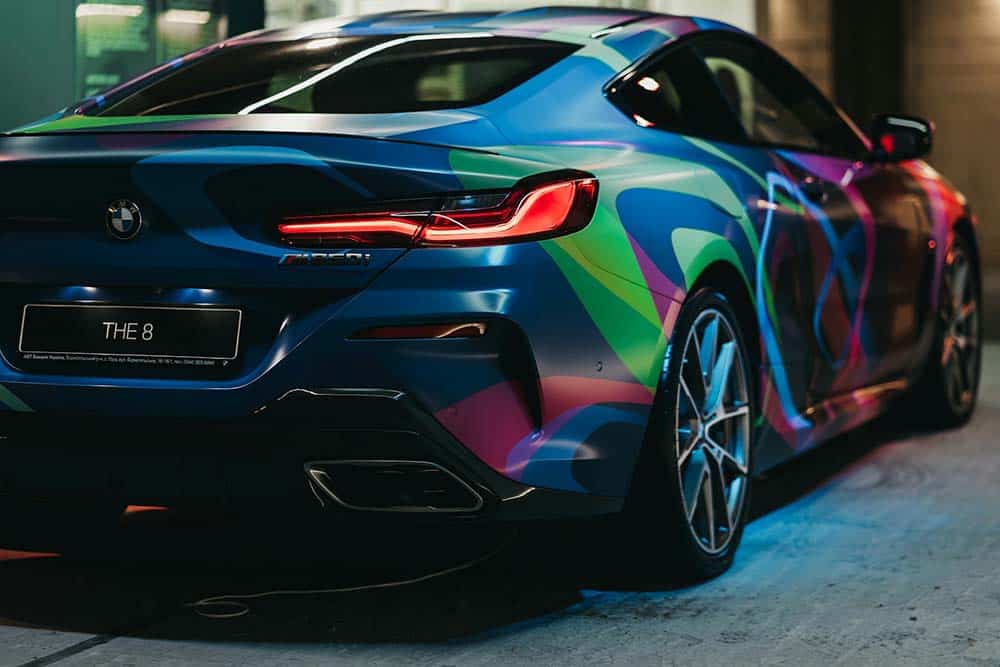
- TPU wraps: TPU car wraps tend to be more cost-effective for businesses that want to cover larger areas of a vehicle while providing overall protection. They also offer the benefit of customization with various finishes (e.g., matte, gloss, satin) at a competitive price point.
- PPF: PPF is typically more expensive, as it is designed for targeted protection. The cost of PPF often reflects the high-performance materials and technology used to produce the film.
- From a business standpoint, TPU wraps may offer a better cost-to-benefit ratio when considering coverage and customization. However, if maximum paint protection for specific areas is required, PPF may be the better option despite the higher upfront cost.
Which Option Is Right for Your Business?
Choosing between TPU wraps and PPF depends on your business’s needs and the expectations of your customers. Here’s a simple checklist to guide your decision:
- Durability: Are you seeking a flexible solution that offers protection across the entire vehicle (TPU) or targeting specific high-impact areas (PPF)?
- Protection Needs: Do you need to protect against abrasions, scratches, and UV damage (TPU) or primarily focus on rock chips and deep cuts (PPF)?
- Customization: Are you looking to offer a customizable finish for your customers (TPU) or just clear protection (PPF)?
- Budget: Is your goal to offer cost-effective full-vehicle protection (TPU) or provide high-performance protection for targeted areas (PPF)?
Conclusion: Choose the Right Film for Your Business Needs
Both TPU and PPF offer distinct advantages for vehicle paint protection, depending on the specific needs of your customers. As a supplier, offering both options allows your business to cater to a wider range of customers—from those looking for full vehicle wraps to those requiring high-impact protection for critical areas.
Before choosing your paint protection solution, consider your customers’ requirements and budget. Contact us today to explore our premium TPU wraps and PPF options, and let us help you provide top-tier protection to your clients.